
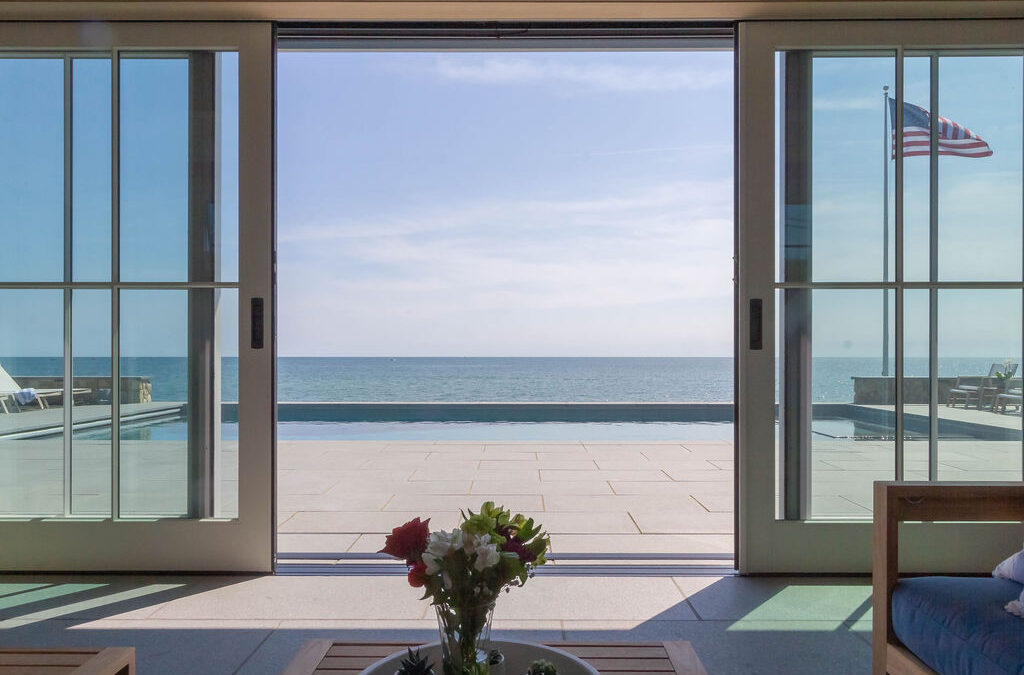
A home should do more than look beautiful—it should work beautifully for the way you think, feel, and live. This belief is at the heart of Multiple Intelligence Theory, and it’s why truly personalized architecture feels effortless, restorative, and deeply human.
People don’t experience space the same way. Some think visually, others kinetically. Some recharge in stillness, others through movement or connection. Howard Gardner’s Multiple Intelligence Theory recognizes this diversity and its been a cornerstone in education. Sail Architects takes the lead using Multiple Intelligence Theory in architecture as a powerful lens for designing homes that support cognitive clarity, emotional balance, and daily performance.
 Homes Are Felt Before They Are Seen
Long before a homeowner notices finishes or details, their nervous system is already responding. Light levels affect focus. Acoustics shape calm or distraction. Proportions influence ease of movement. Views—especially of water—quiet the mind. Wallace J. Nichols’ Blue Mind principles, another Sail Architects’ favorite, intersect naturally with multiple intelligences. Humans with strong naturalistic or intrapersonal intelligence often experience profound restoration near water—whether through an ocean horizon, a reflecting pool, a rain chain, or even the sound of moving water indoors. These elements reduce stress, enhance creativity, and support mental clarity.
Architecture that integrates water, daylight, and horizon lines doesn’t just reference nature—it actively supports how the brain functions.
One Home, Many Ways of Thinking
A client with strong spatial intelligence may thrive in open sightlines, layered views, and intuitive circulation. Someone with dominant bodily-kinesthetic intelligence benefits from homes that encourage movement: fluid transitions, stair sequences with rhythm, spaces that feel good to inhabit physically.
For those with a demanding work life, logical and intrapersonal intelligences are supported through quiet zones, visual order, and spaces designed for deep focus. A window facing water, a calm material palette, or a softly lit retreat can dramatically improve cognitive performance during the workday.
There is no universal “perfect home.” There is only a home that aligns—or doesn’t—with the people living inside it.
Why This Matters Now
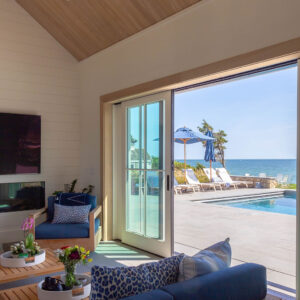
This human-centered approach naturally aligns with neuroarchitecture, WELL principles, and sustainability. Homes designed around real human needs tend to be calmer, more efficient, and more enduring. Sustainability, in this sense, is not a trend—it’s a reflection of long-term thinking about both people and the planet.
At Sail Architects, we take an in-depth, client-focused approach—designing modern homes that respond to specific intelligence types, sensory needs, and relationship to nature. By integrating Multiple Intelligence Theory with Blue Mind principles, we create spaces that support clarity, creativity, and well-being at every scale.
A well-designed home doesn’t demand attention. It quietly enhances how you think, feel, and live—every single day.
Blue Mind: The Surprising Science That Shows How Being Near, In, On, or Under Water Can Make You Happier, Healthier, More Connected, and Better at What You Do by Wallace J. Nichols